What Does Your Aura Color Predict for You?
Somewhere just past the edge of what eyes can see, a colored glow is wrapping around you like warm static. Some call it your aura; we call it the honest weather of your soul.
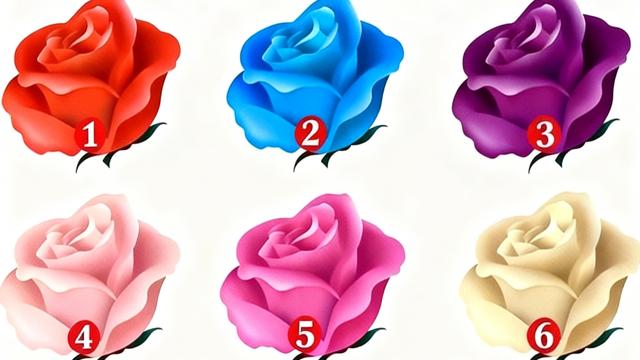
Answer seven dreamy little questions and we'll name the shade humming closest to your skin, plus the tiny prophecy it carries. Purely for fun, of course, though the mirror might disagree. Follow the first color that makes something in you light up.
Read every possible outcome for this quiz and what each one means →
Painted light, long before the word
Artists were drawing a glow around people for a thousand years before anyone used the word aura for it. Buddhist sculpture surrounds the head and body with the prabhamandala; Christian painters took up the nimbus in the fourth century, having borrowed it from Roman imperial imagery; Persian tradition described khvarenah, a divine radiance that settled on rightful kings and deserted them the moment they lost the right. In each case the light is a status marker: holy, or chosen, or favoured by heaven. The notion that everybody carries one, and that it shifts with your week, is comparatively modern.
The century that tried to measure it
Franz Mesmer's animal magnetism, from the 1770s, put an invisible fluid around the body and made it fashionable. In the 1840s the chemist Karl von Reichenbach proposed the odic force and sat volunteers in blacked-out rooms to report the glimmers they saw around magnets and crystals. In 1911 Walter Kilner, a doctor at St Thomas' Hospital in London, published The Human Atmosphere, describing screens stained with the dye dicyanin through which he believed a human haze became visible; that is now put down to eye fatigue and after-images. Kirlian photography, developed from 1939, does produce coloured coronas on film, but they are electrical discharge and vary obligingly with moisture and humidity. A damp coin glows too.
The colour dictionary itself is largely Theosophical. Annie Besant and Charles Leadbeater illustrated emotions as coloured clouds in Thought-Forms of 1901 and Man Visible and Invisible of 1902, fixing most of the associations still in use: red for passion or temper, violet for spiritual reach, gold for confidence, muddied shades for whatever nobody admits to.
Colour as shorthand for how you are
Several controlled tests have asked people who report seeing auras to say where a hidden person is standing, and none has produced a reliable result. What does hold up is the link between colour and feeling. A study across some thirty nations led by Domicele Jonauskaite found wide agreement, yellow with joy, red with both anger and love, black with sadness, alongside enough national variation to show culture doing part of the work.
That is why picking a colour for yourself works as well as it does. Saying that this stretch of your life feels emerald, or crimson, or sky-blue compresses a mood into something you can hand to another person, often more honestly than the sentence you would otherwise have written. Treat the prediction attached to it as decoration. The colour you reach for is the part carrying information.