The questions this page keeps circling
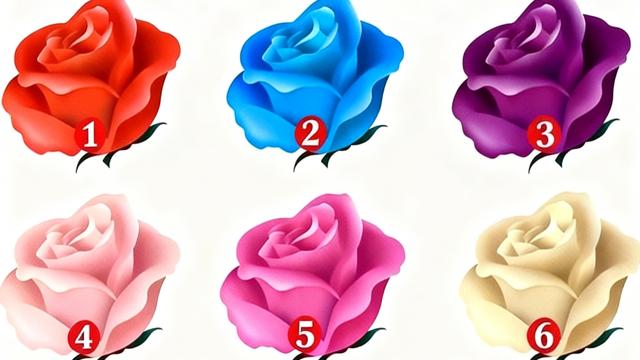
Eleven quizzes live here, and they orbit a small handful of very old questions. Who is thinking about me. How do I love, and how does that land. Am I ready. Would I stay. Whether you are picking a ring, choosing a door, reading a bloom or typing your name for a first initial, the pull underneath is identical: a wish to see your own romantic life described back to you in a shape small enough to hold.
That wish deserves taking seriously even when the method is playful. Most of us would rather get a second opinion on our hearts from something that cannot judge us.
Attachment, love languages, and a flat in Seattle
Researchers have chased the same questions with rather more rigour. Attachment theory grew out of John Bowlby's observations of infants and was extended to adults by Cindy Hazan and Phillip Shaver in the 1980s; it describes how comfortable a person is with closeness and how they behave when a bond feels shaky. The secure, anxious and avoidant patterns it names are measured with long questionnaires and shift over a lifetime rather than sitting fixed.
John and Julie Gottman spent decades filming couples in a converted flat in Seattle and found that the danger sign was not how often people argued but whether contempt, defensiveness, stonewalling and criticism had crept into the way they argued. Gary Chapman's five love languages came from pastoral counselling rather than a laboratory, and studies hunting for the promised benefit of matching partners on a language have mostly come up empty. The idea survives because it hands couples a friendly vocabulary for a real difficulty, not because the categories hold together.
What two minutes can honestly offer
Nothing on this page measures an attachment style, forecasts a name or knows who is quietly interested in you. These are entertainment quizzes: seven questions, a written result, a screenshot. What they do rather well is start a conversation. A result that feels wrong tends to be the more useful one, because disagreeing with it forces you to say out loud what you actually want. Take one, send it to whoever it made you think of, and treat the answer as a prompt, not a verdict.