Pick a Bloom and We'll Read Your Real Love Language
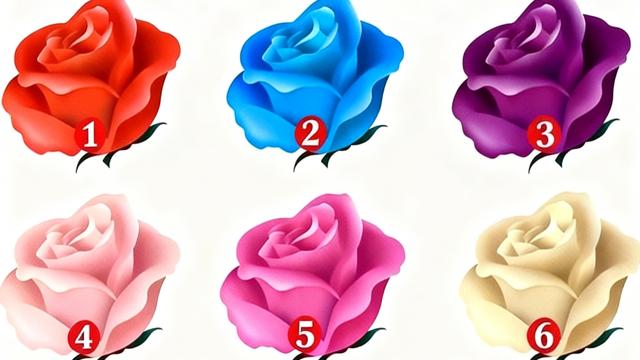
Petals hold more honesty than people do. The flower you're drawn to, the way you'd give one, the garden you'd wander — each choice leaks the truth about how you love and how you want to be loved back.
Answer seven quick questions and we'll name your real love language, the one hiding under all the small romantic instincts you never think to explain. No overthinking allowed. Trust the first bloom that makes your chest feel warm.
Read every possible outcome for this quiz and what each one means →
Where the five categories came from
Gary Chapman was a Baptist pastor doing marriage counselling in North Carolina when he noticed that the couples in his office kept arriving with the same handful of complaints. He grouped them into five: words of affirmation, quality time, acts of service, receiving gifts and physical touch, then published the resulting book in 1992. It has since sold in the tens of millions and handed a couple of generations a way of talking about feeling unappreciated.
It is worth being clear about the origin, though. The categories came out of one practitioner's recollection of his caseload rather than from data. Nobody surveyed a large sample and discovered five clusters sitting in it. The number five was a memorable observation, not a measurement.
What happened when researchers checked
In 2024 Emily Impett, Haeyoung Gideon Park and Amy Muise published a review in Current Directions in Psychological Science weighing the framework against the evidence, and three of its central assumptions came off badly. The first is that everyone has one primary language. Studies generally find people want all five, and a balanced diet is a better metaphor than a native tongue. The second is that the five are cleanly distinct; attempts to recover them statistically tend to produce a messier structure. The third, and the one that matters most, is the matching claim: that couples fare better when each partner speaks the other's language. Support for that is thin.
What does predict satisfaction more reliably is a less catchy idea, perceived partner responsiveness. It means feeling understood, valued and cared for by somebody who is genuinely paying attention. The channel turns out to matter considerably less than whether the attention behind it is real.
Why it still rings true, and why that is fine
None of this makes the framework worthless. Its real gift is vocabulary. The sentence 'I feel loved when you plan things' is far easier to say once someone has given you the shape of it, and couples who have that sentence available tend to end up having the conversation.
So treat the bloom you picked as a conversation starter rather than a diagnosis. A flower cannot read you. But explaining why you chose it, to someone who wants to know, does a decent share of the work the book was aiming at in the first place.