What Spirit Animal Is Guiding Your Fate?
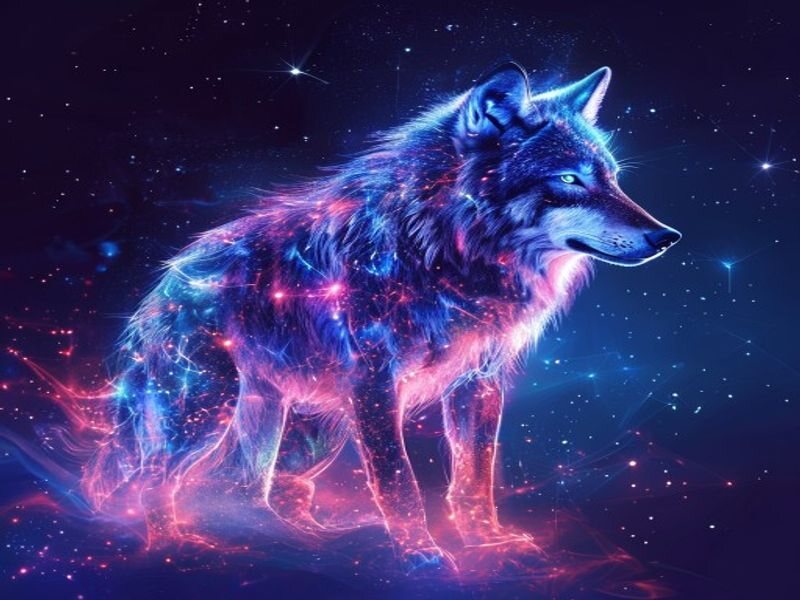
Long before you learned to worry about anything, an animal spirit chose to walk your path with you, matching its instincts to yours. It shows up in how you fight, flee, love, and go quiet.
Take seven wandering questions and we'll reveal the creature guiding your fate, plus the secret strength it hands you. Half myth, half mirror, all in good fun. Answer from your gut, not your plans, and let the wild thing step out of the trees.
Read every possible outcome for this quiz and what each one means →
A phrase with a complicated passport
The expression spirit animal gets used casually in English, but its associations belong to Indigenous North American traditions that are neither uniform nor public property. The word totem derives from the Ojibwe doodem, which refers to a clan or kinship group rather than a personal companion. Guardian-spirit practices among peoples of the Plains and the Pacific Northwest were serious, frequently initiatory, and specific to each nation.
The loose contemporary sense of a power animal owes most to Michael Harner's 1980 book The Way of the Shaman, which blended techniques from many cultures into one portable method. Enjoying an animal symbol is harmless. Presenting it as authentic Native practice is not, and the distinction is worth holding on to.
Everyone else's animals
Animal doubles turn up almost everywhere people tell stories. Norse sagas describe the fylgja, a following spirit that appears in animal form and betrays something about the person it accompanies. Egyptian deities wore falcon, jackal and lioness heads. Early modern witch trials in England fixated on familiars in the shape of cats and toads. European heraldry made the choice of beast a formal statement about a family's character, and the Chinese zodiac hands each year an animal with a temperament attached.
Anthropology built a whole category out of this. Emile Durkheim used Australian Aboriginal totemism as the model for religion in general in his 1912 study of religious life, while Claude Levi-Strauss argued fifty years later that totemism was mostly an artefact of how Europeans had sorted other people's beliefs.
What the individual creatures carry
The owl belongs to Athena and signals wisdom in English, yet in Rome its cry announced a death and across much of the world it remains an unlucky bird. The lion has meant kingship from Mesopotamian palace reliefs to the arms of England. The eagle carried Rome's legions on their standards and belonged to Zeus long before that. Whales occupy the space reserved for the vast and unknowable, from Jonah to Leviathan.
The fox is the trickster of Aesop, of the medieval Reynard cycle, and of the Japanese kitsune, who is clever and not reliably kind. Not one of these meanings is fixed, which is a decent warning about how much any single animal can really tell you about a human being.