Which Ancient Goddess Lives Inside You?
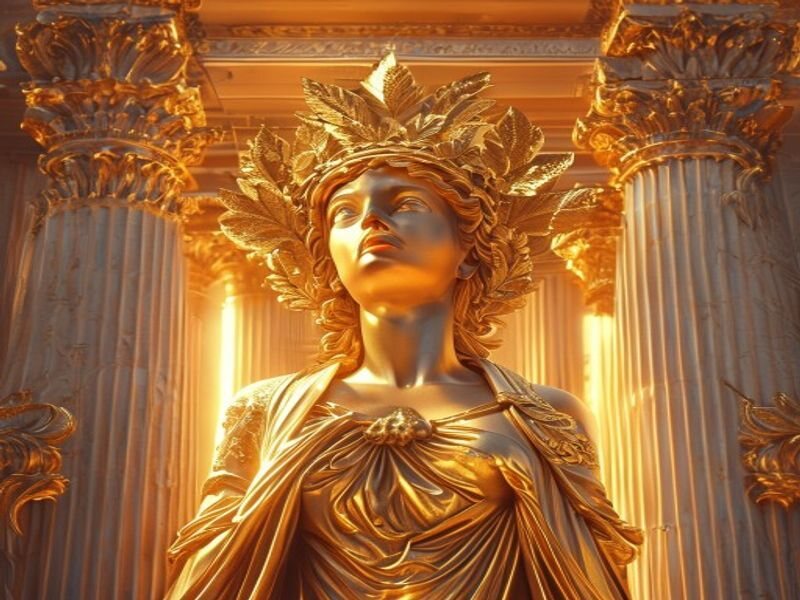
Deep in the oldest stories, goddesses were just names people gave to the fierce forces they felt inside themselves. One of those ancient energies has quietly made a home in you, shaping how you love, fight, and see.
Walk through seven glowing questions and we'll crown the goddess living under your skin, plus the gift she's been trying to give you. Mythic, playful, and just for the thrill of it. Choose the answers that feel warm, not the ones that sound impressive.
Read every possible outcome for this quiz and what each one means →
Goddesses who were never only one thing
Ancient pantheons were far messier than modern lists suggest. Aphrodite reached Greece carrying traits of the Near Eastern Inanna and Ishtar, deities of desire and warfare at once, which is why Sparta could honour an armed Aphrodite while Athens preferred her gentler face. As Rome expanded, its writers matched foreign gods to their own by function, a habit scholars call interpretatio romana, so Tacitus described Germanic worship in terms of Mercury and Hercules without asking the Germans what names they actually used.
Athena kept an owl, an olive tree and a war spear together. Artemis both protected childbirth and hunted. The Morrigan of Irish literature shifts between crow, queen and prophecy inside a single tale. Tidy categories of love, war, wisdom, moon and wilderness are a convenience for us. Real worshippers met figures who overlapped, contradicted themselves, and changed shape between one city and the next.
How the divine personality type got invented
Sorting people by goddess is barely forty years old. Carl Jung proposed archetypes as inherited patterns in the psyche during the early twentieth century, and the Jungian analyst Jean Shinoda Bolen turned seven Greek goddesses into psychological portraits in her 1984 book Goddesses in Everywoman. The format spread from there into workshops, magazine features and eventually quizzes like this one.
A parallel idea lent the trend an air of deep prehistory: the archaeologist Marija Gimbutas argued that Old Europe venerated a single Great Goddess before patriarchal invaders arrived. Most archaeologists now consider that reconstruction more speculative than her evidence can carry, though its cultural influence has outlived the academic argument.
Why the label tends to fit anyway
Descriptions assembled from broad and mostly flattering traits feel uncannily personal. The psychologist Bertram Forer showed this in 1948 by handing his students identical horoscope-style profiles, which they then rated as remarkably accurate portraits of themselves. Five archetypes cannot meaningfully divide humanity, and nothing here is a claim about anything existing outside the story.
What the old names do offer is vocabulary. Saying you are running on war-goddess energy this month is a compact way of admitting you feel combative without spelling out why. Reach for these figures the way you would reach for a good metaphor and they earn their keep.