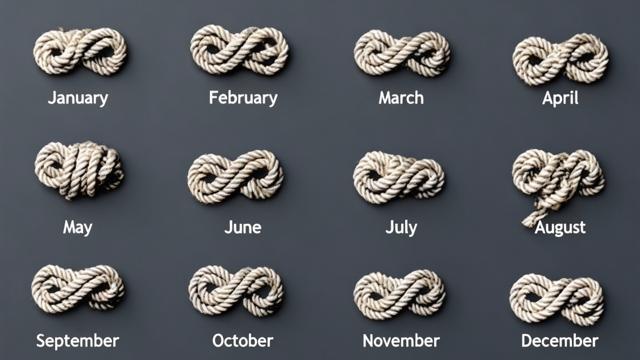
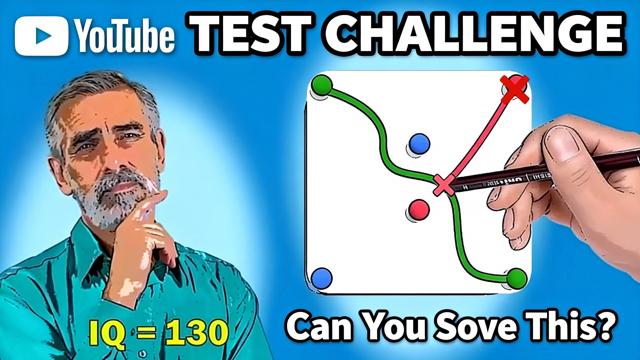
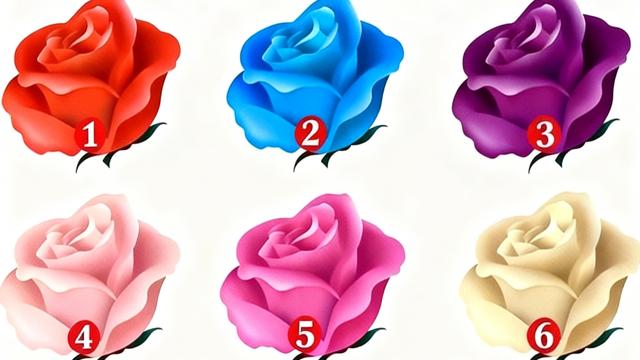
Between a stalled email and a meeting you are dreading, you tap a quiz called something like "Which houseplant matches your personality?" Two minutes later you are a resilient snake plant, you are grinning, and your brain feels a notch lighter. That tiny lift is not a waste of time. It is a small dose of something humans genuinely need.
Play is not just for kids
We tend to file play under childhood and then quietly abandon it. Researchers who study it disagree. The National Institute for Play argues that playful activity across a lifetime supports creativity, mood, and even how well we connect with others. Play, in this view, is not the opposite of productive work. It is part of what keeps a mind flexible and a person good company.
A low-stakes quiz is play in miniature. There is no grade, no consequence, and no way to fail. That absence of pressure is exactly what makes it restorative. You get the shape of a challenge, a question, a choice, a reveal, with none of the weight that makes real challenges tiring.
Curiosity is a pleasant itch
Part of why "Which houseplant are you?" works is that you honestly want to know. Curiosity feels a little like a mild itch: a small gap between what you know and what you would like to, and a quick satisfaction when the gap closes. A quiz manufactures that gap on purpose. The question opens a loop, the result snaps it shut, and you feel a modest hit of reward.
That reward is cheap and clean. Unlike a lot of what competes for our attention, a quick quiz does not demand money, expose you to bad news, or leave you doom-scrolling. It poses a light question and pays it off almost immediately, which is a rare and pleasant deal in a day full of open tabs.
The case for the micro-break
Attention is not a bottomless tank. Push at the same problem too long and focus frays, mood dips, and small tasks start to feel enormous. Brief, deliberate breaks help reset that. Writers at the Greater Good Science Center at UC Berkeley regularly cover how small moments of play, awe, and positive emotion buffer stress and help people bounce back. A goofy quiz can be one of those moments, a controlled little detour that lets your attention breathe before you return to the hard thing.
The trick is the scale. A two-minute quiz is a break you can actually end. It fits in the gap between tasks the way a stretch fits between chapters, giving your mind a beat of novelty without swallowing your afternoon.
Keeping it a boost, not a sink
Anything pleasant can tip into avoidance, and quizzes are no exception. The difference between a mood boost and a time sink is mostly about intention. One quiz because you are curious and need a reset is healthy. Twelve quizzes to dodge a task you are anxious about is a signal that the task, not the quiz, needs your attention.
A simple rule keeps things in the good zone. Use a quick quiz as a comma, not a full stop, a small pause that punctuates work rather than replacing it. Take the result, enjoy the grin, maybe send it to a friend, and let the little burst of good mood carry you back to whatever you were putting off.
Small joys count
It is easy to dismiss this stuff as fluff. But mood is built out of moments, and a two-minute burst of harmless curiosity is a perfectly good moment. You learn you are a snake plant, you feel a flicker of delight, and you carry that flicker into the next thing. For something that costs almost nothing, that is a surprisingly fair trade.